
History of Rice

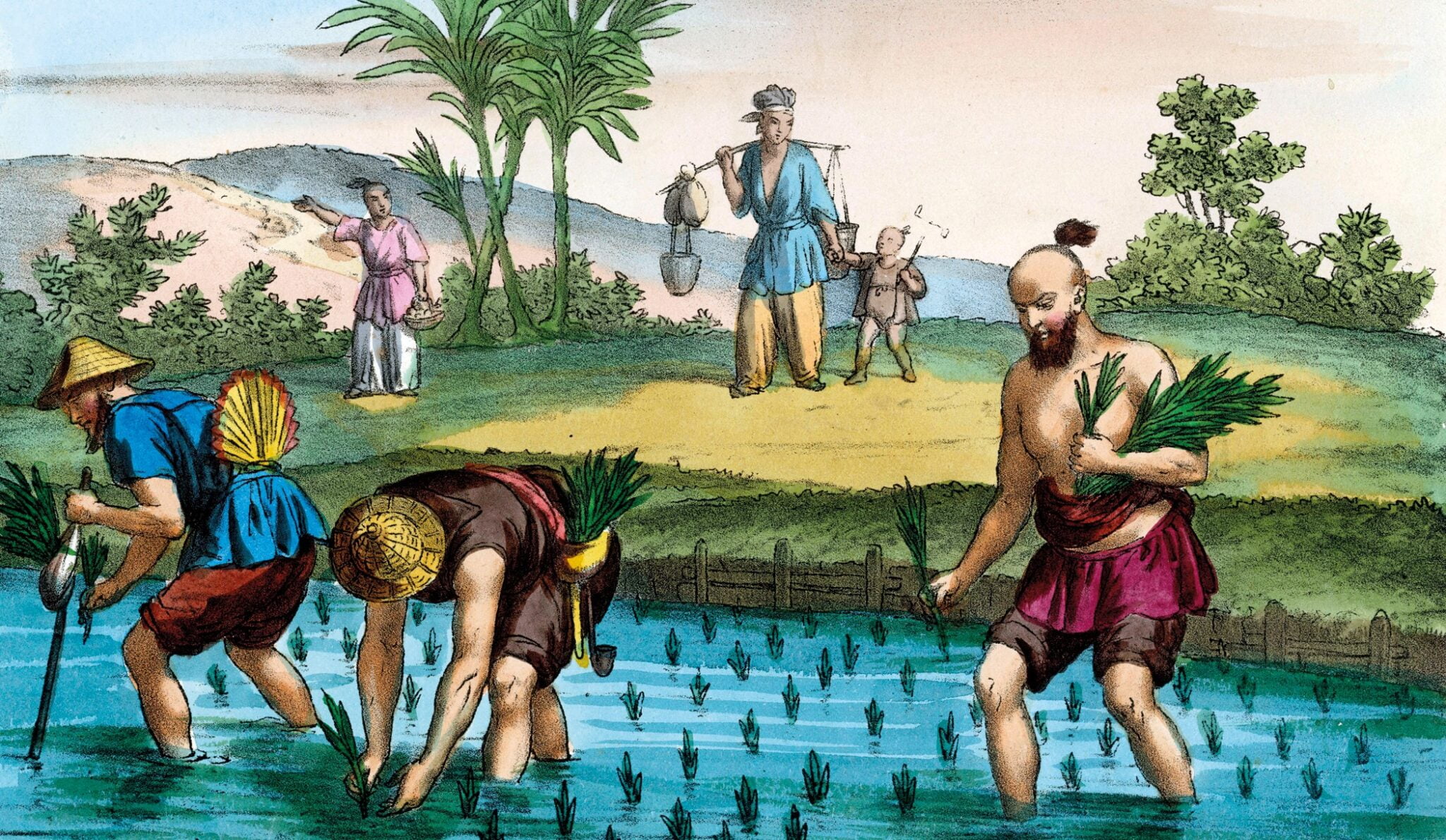
🌾 The History of Rice in India: From Ancient Fields to Modern Plates
Rice is more than just food in India — it is heritage, culture, and tradition woven together over thousands of years. From ancient civilizations to today’s diverse kitchens, rice has shaped the very identity of the Indian subcontinent. Let’s take a journey through its remarkable history.
🌱 Seeds of Antiquity: India’s Earliest Rice Cultivation
Archaeological studies reveal that rice was cultivated in India as early as 2000 BCE. As farming practices evolved, rice steadily became an essential crop for survival and prosperity. Its adaptability to India’s varied landscapes helped it spread across regions, making it a staple for millions even in ancient times.
🏺 The Indus Valley Civilization: Where It All Began
One of the world’s earliest urban societies — the Indus Valley Civilization — grew rice along the fertile banks of the Indus River. The people of Harappa and Mohenjo-Daro developed advanced irrigation systems and agricultural techniques that allowed rice cultivation to flourish. These early innovations became the foundation for India’s rich agricultural tradition.
🔱 Rice in Vedic Culture: Sacred, Pure, and Symbolic
During the Vedic period, rice was more than nourishment — it held deep spiritual significance.
It was used in:
Religious rituals
Ceremonial offerings
Festivals and celebrations
Hindu marriages and sacred rites
Rice symbolized purity, fertility, and prosperity. Goddess Lakshmi, the deity of wealth, is often depicted with overflowing grains of rice, underscoring its holy importance.
👑 Mughals & the Birth of Biryani: A Royal Culinary Turn
The arrival of the Mughals brought with it a rich blend of Persian and Indian culinary traditions. This era introduced luxurious dishes such as pilaf and biryani, forever changing Indian cuisine.
The Mughals elevated rice through:
Aromatic long-grain Basmati rice
Slow-cooking techniques
Layers of spices, saffron, herbs, and meats
What started in royal kitchens now delights millions across the world.
🌾 From Rituals to the Green Revolution: Rice in Modern India
Over centuries, rice remained central to Indian life — both spiritually and culturally. But a major turning point came during the Green Revolution in the 1960s and 70s. Scientific innovations, improved seeds, and irrigation methods transformed India into one of the world’s largest rice producers.
Today, rice continues to be:
A staple food for millions
A symbol of cultural pride
A key agricultural contributor to India’s economy
Whether it’s biryani, pulao, curd rice, lemon rice, or a simple home-cooked meal, rice remains at the heart of Indian cuisine.
🍽️ Conclusion: A Grain That Tells a Story
The story of rice in India is a journey through time — from the fields of the Indus Valley to modern-day kitchens. It is a symbol of tradition, nourishment, celebration, and unity. As Indians continue to enjoy countless rice dishes every day, they are unknowingly carrying forward a legacy thousands of years old.
Rice isn’t just a grain.
It’s India’s timeless connection to its soil, its roots, and its culture.
